Sensory words are a powerful tool in writing, allowing authors to transport their readers to new and exciting worlds. By incorporating sensory details into their work, writers can create vivid and immersive experiences that engage the reader’s senses and draw them into the story. Whether you’re a student looking to improve your creative writing skills or a professional author seeking to add depth and complexity to your work, sensory words are an essential part of the writing process.
The use of sensory words can elevate a piece of writing from a dull, flat narrative to a rich and engaging story that captivates the reader’s imagination. By appealing to the reader’s senses, writers can create a sense of tension, mood, and atmosphere, drawing the reader into the world of the story and refusing to let them go. With the right sensory words, anything is possible, from the sweet scent of blooming flowers to the salty taste of sea air.
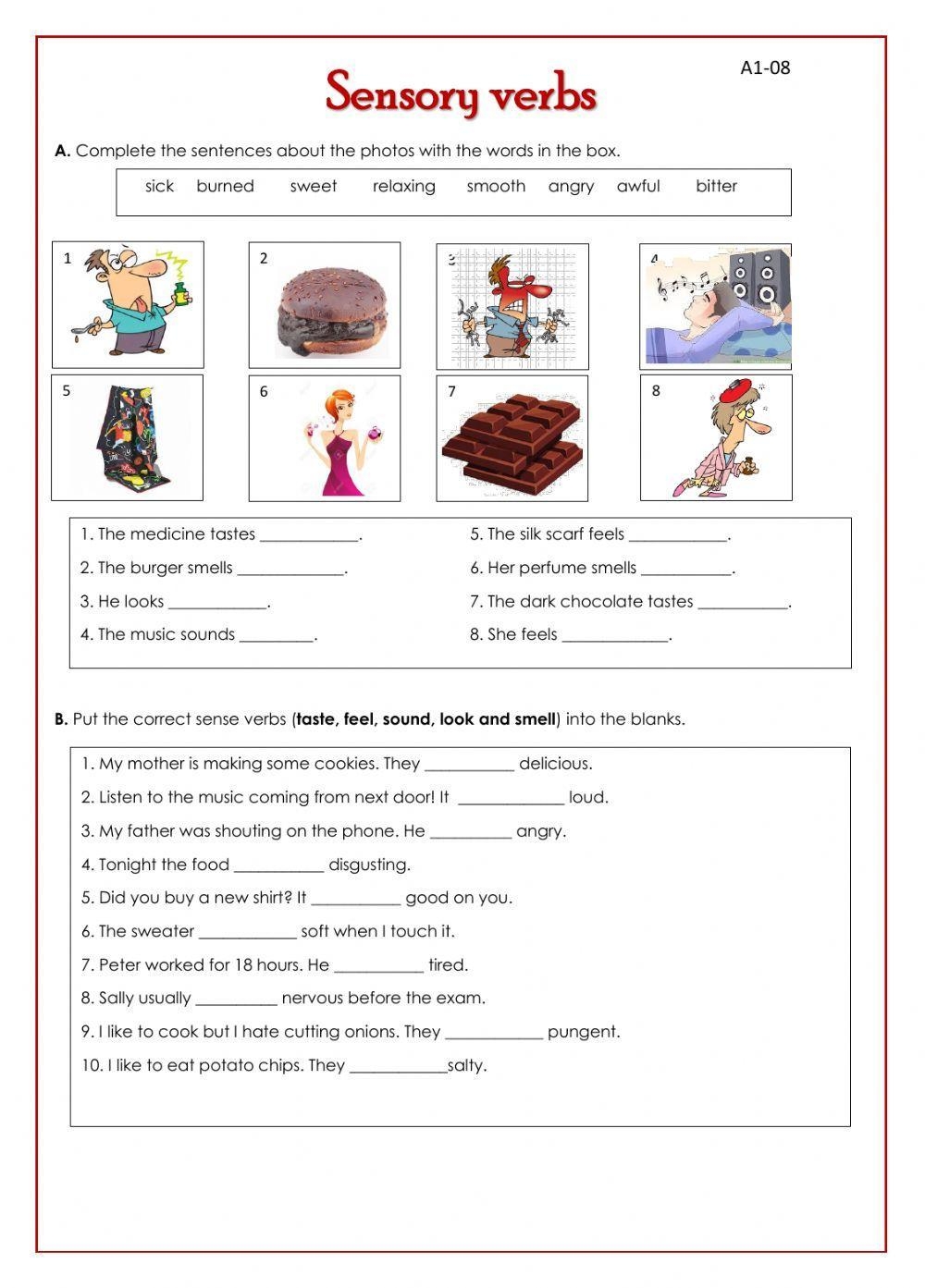
Sensory Verbs Worksheet Worksheets Library
What are Sensory Words?
Sensory words are words that appeal to the senses, including sight, sound, touch, taste, and smell. They can be used to describe people, places, objects, and experiences, and are a key element in creating vivid and immersive descriptions. By using sensory words, writers can show rather than tell, allowing the reader to infer and interpret the story in their own way. This can lead to a more engaging and interactive reading experience, as the reader is able to use their own imagination and creativity to fill in the gaps.
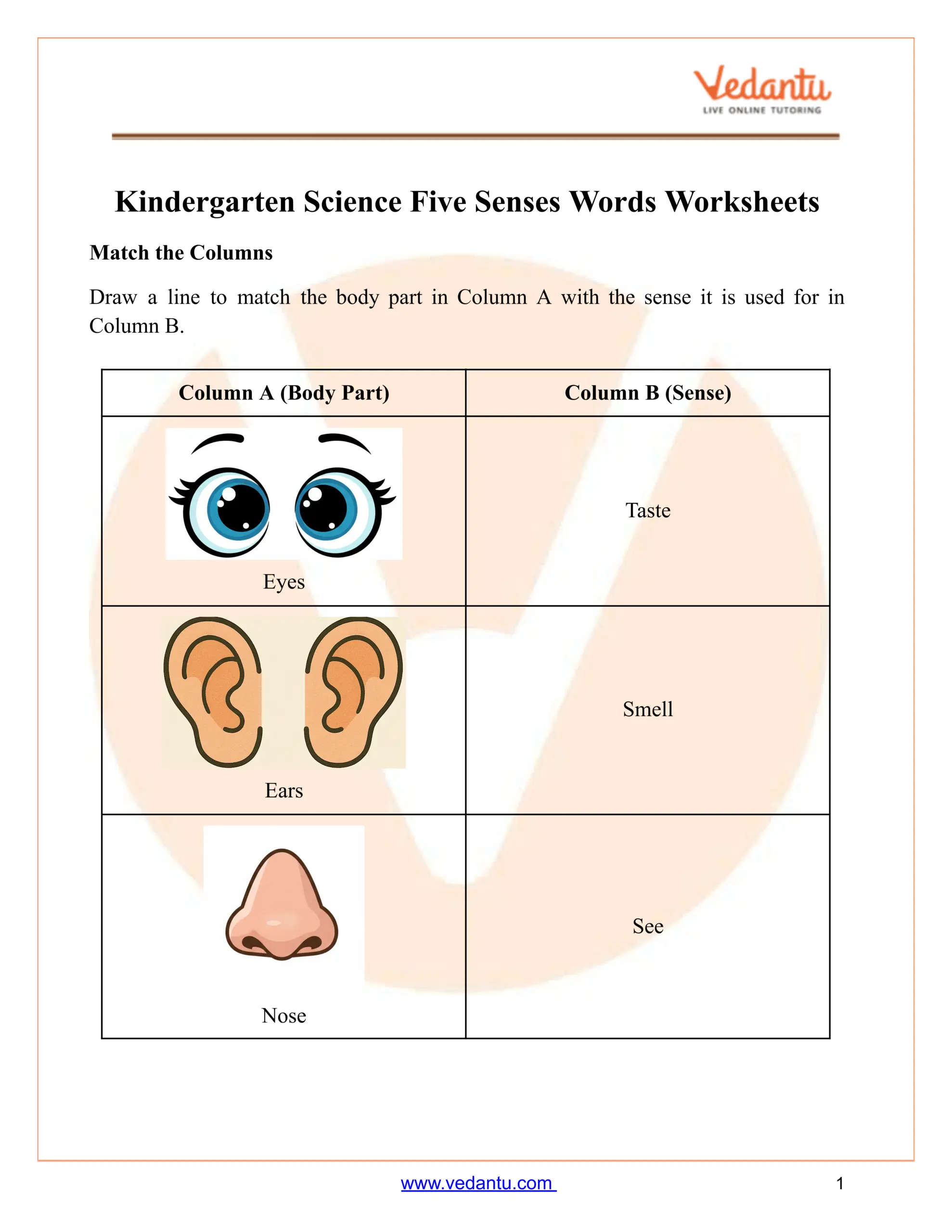
Kindergarten Five Senses Words Worksheet Free PDF
Benefits of Using Sensory Words
The benefits of using sensory words are numerous, and can have a significant impact on the quality and effectiveness of a piece of writing. By incorporating sensory details, writers can create a sense of authenticity and realism, drawing the reader into the world of the story and making them feel like they are really there. Sensory words can also be used to create mood and atmosphere, setting the tone for the rest of the story and influencing the reader’s emotional response. Whether you’re writing a descriptive paragraph or a full-length novel, sensory words are an essential part of the writing process.
How to Use the Free Sensory Words Worksheet
Our free sensory words worksheet is designed to help writers of all levels improve their use of sensory language and create more vivid and immersive descriptions. The worksheet includes a list of sensory words and prompts, as well as exercises and activities to help you get started. By working through the worksheet, you can develop your skills and confidence, and start to create writing that really comes alive. Whether you’re a student, a professional author, or simply someone who loves to write, our free sensory words worksheet is the perfect tool to help you take your writing to the next level.
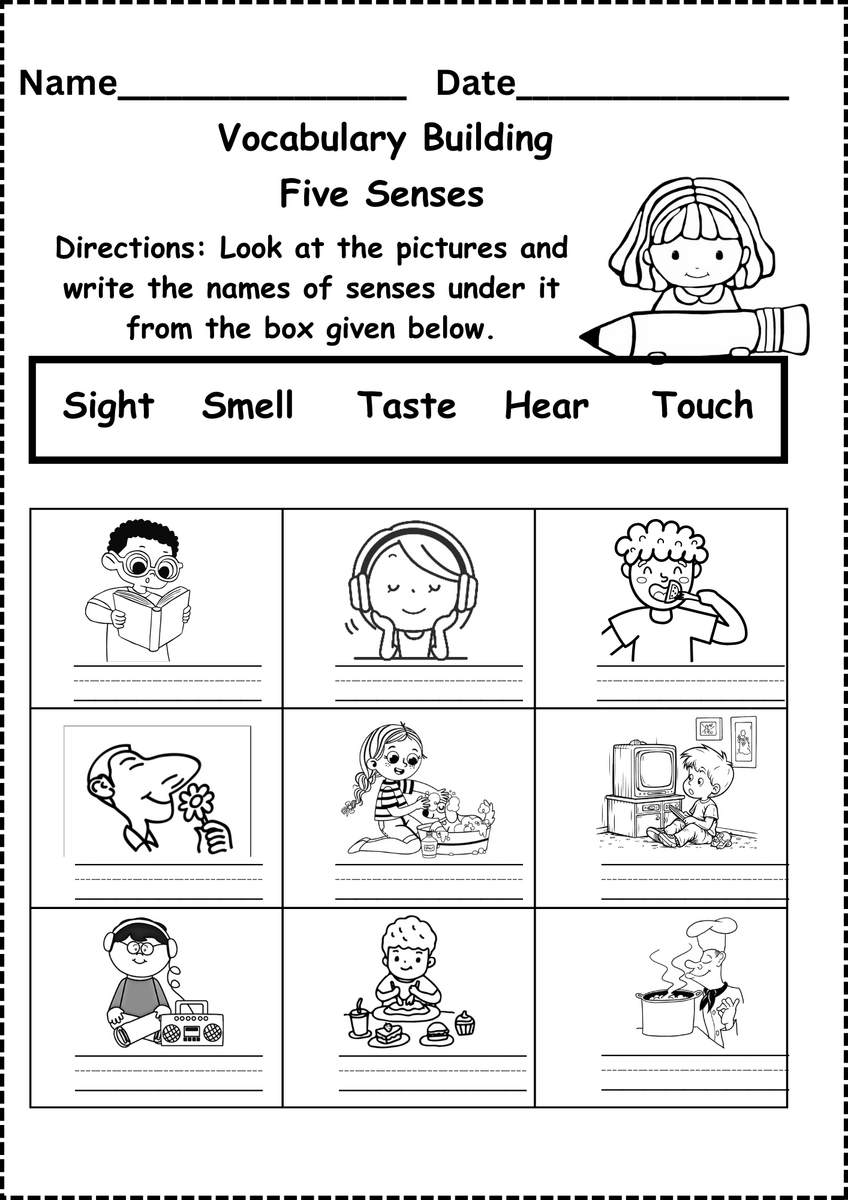
Five Senses Worksheet Free For Kindergarten And Grade 1
To use the free sensory words worksheet, simply download and print out the document, then work through the exercises and activities at your own pace. You can use the worksheet as a standalone tool, or incorporate it into your existing writing routine. The worksheet is designed to be flexible and adaptable, so you can use it in whatever way works best for you. With our free sensory words worksheet, you can start to unlock the full potential of your writing, and create stories that really engage and inspire your readers.
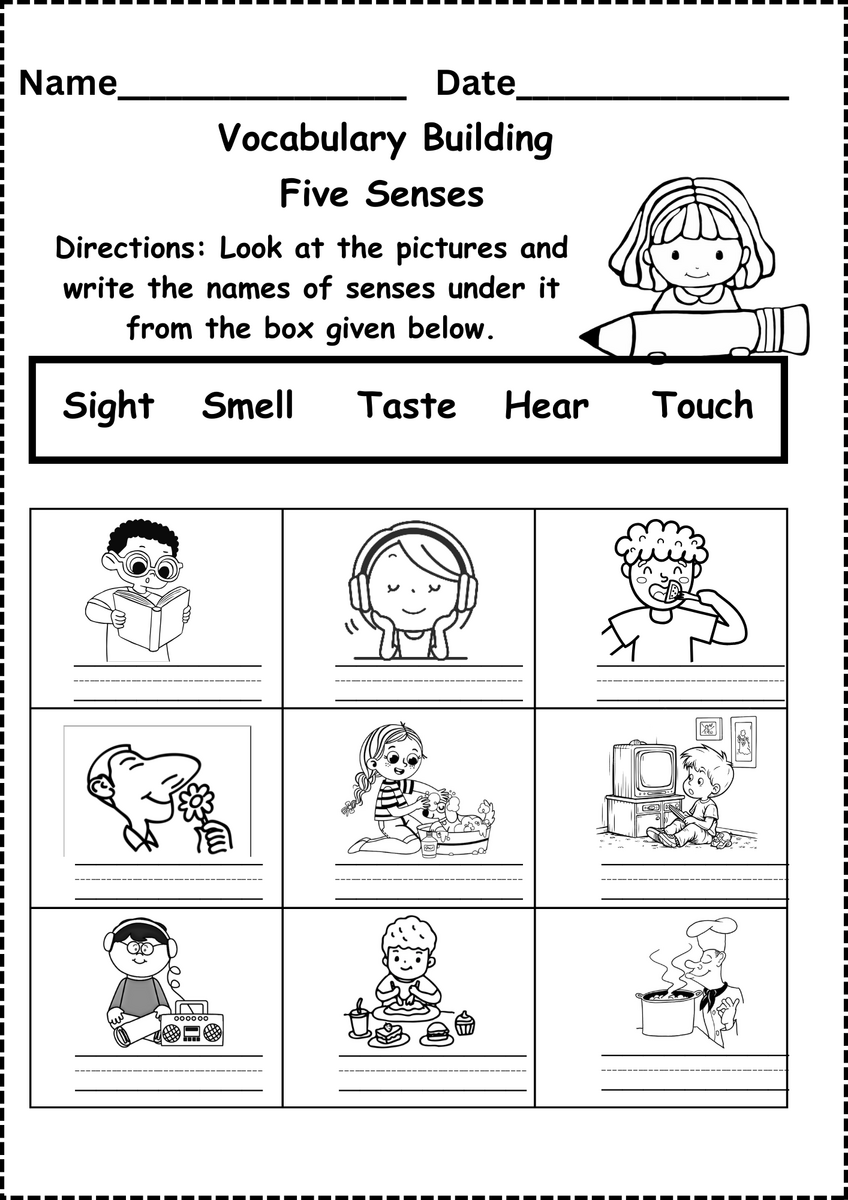
Five Senses Worksheet Free For Kindergarten And Grade 1
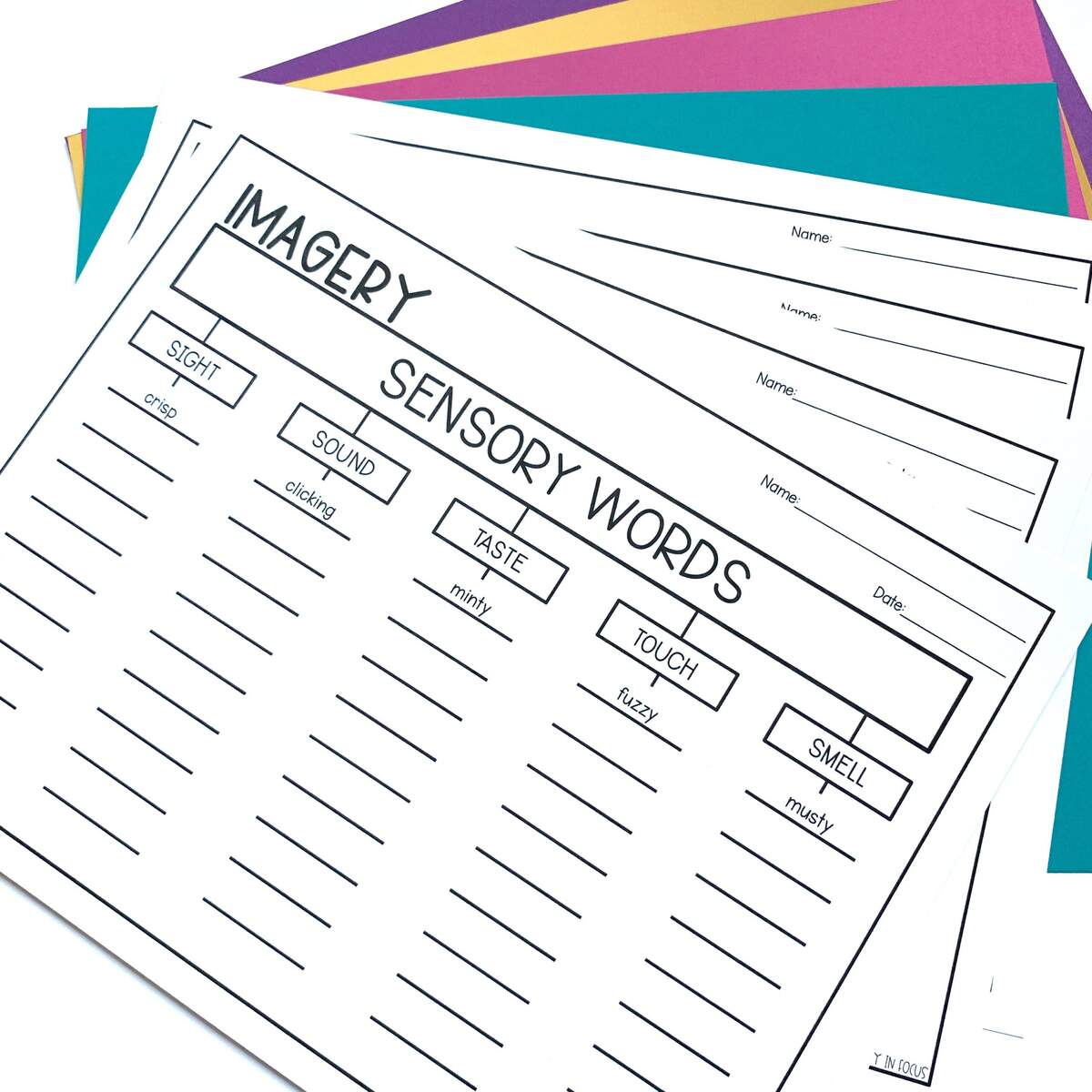
Free Printable PDF 100 Sensory Words List Literacy In Focus