Writing in English can be a daunting task, especially for non-native speakers. One of the most challenging aspects of writing is linking ideas together to form a cohesive and coherent text. This is where linking words come in – essential tools for connecting ideas, contrasting views, and adding emphasis to your writing. For ESL learners, mastering linking words is crucial to producing well-structured and polished paragraphs.
Paragraph writing is a fundamental skill that ESL learners need to acquire in order to express their thoughts and ideas clearly. However, it can be overwhelming to know where to start, especially when it comes to using linking words. Linking words, also known as transition words or connecting words, are used to link ideas, sentences, and paragraphs together. They help to create a smooth flow of ideas, making your writing easier to follow and understand. In this article, we will explore the importance of linking words in paragraph writing and provide you with a comprehensive ESL worksheet to practice your skills.
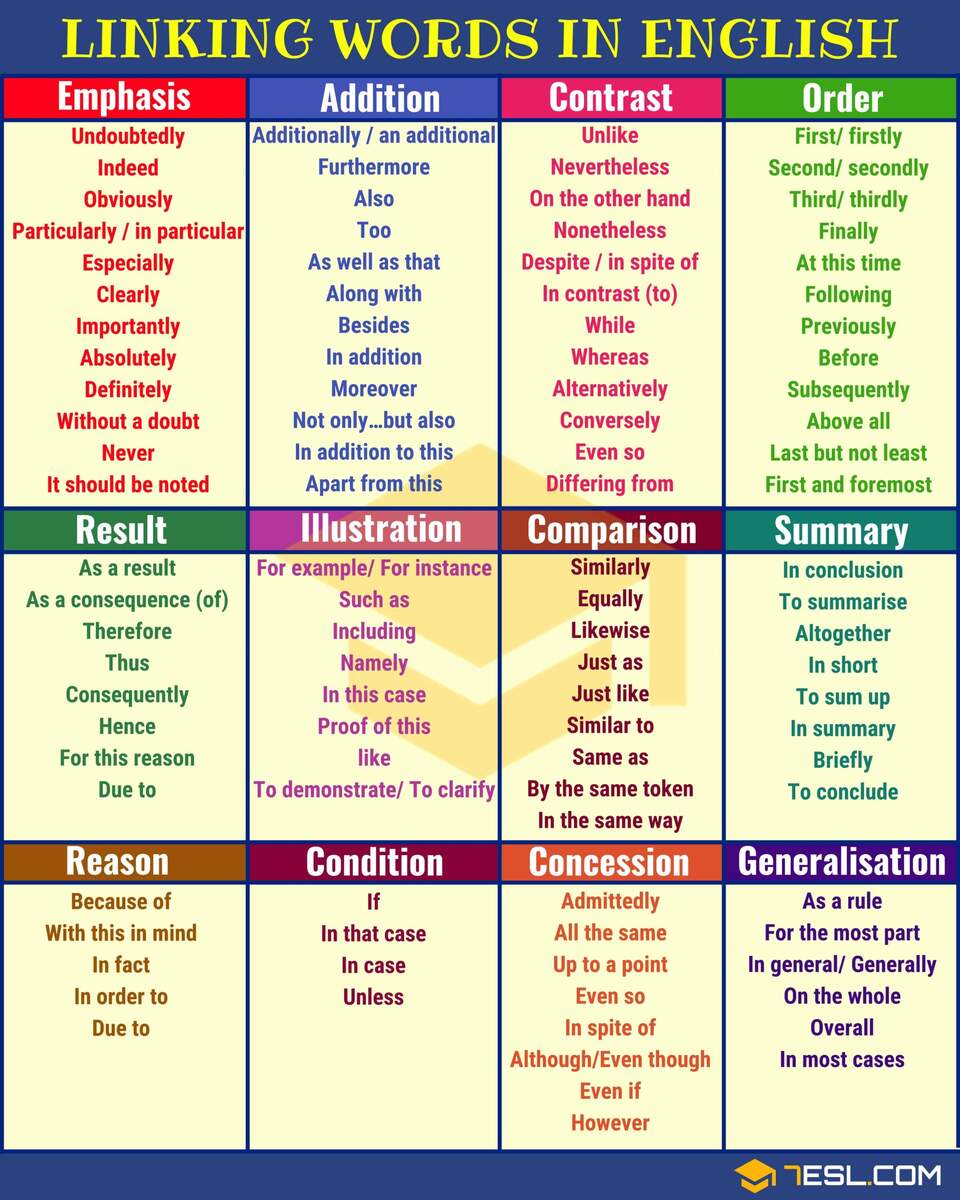
Linking Words Connecting Words Full List And Useful Examples 7ESL
Understanding Linking Words
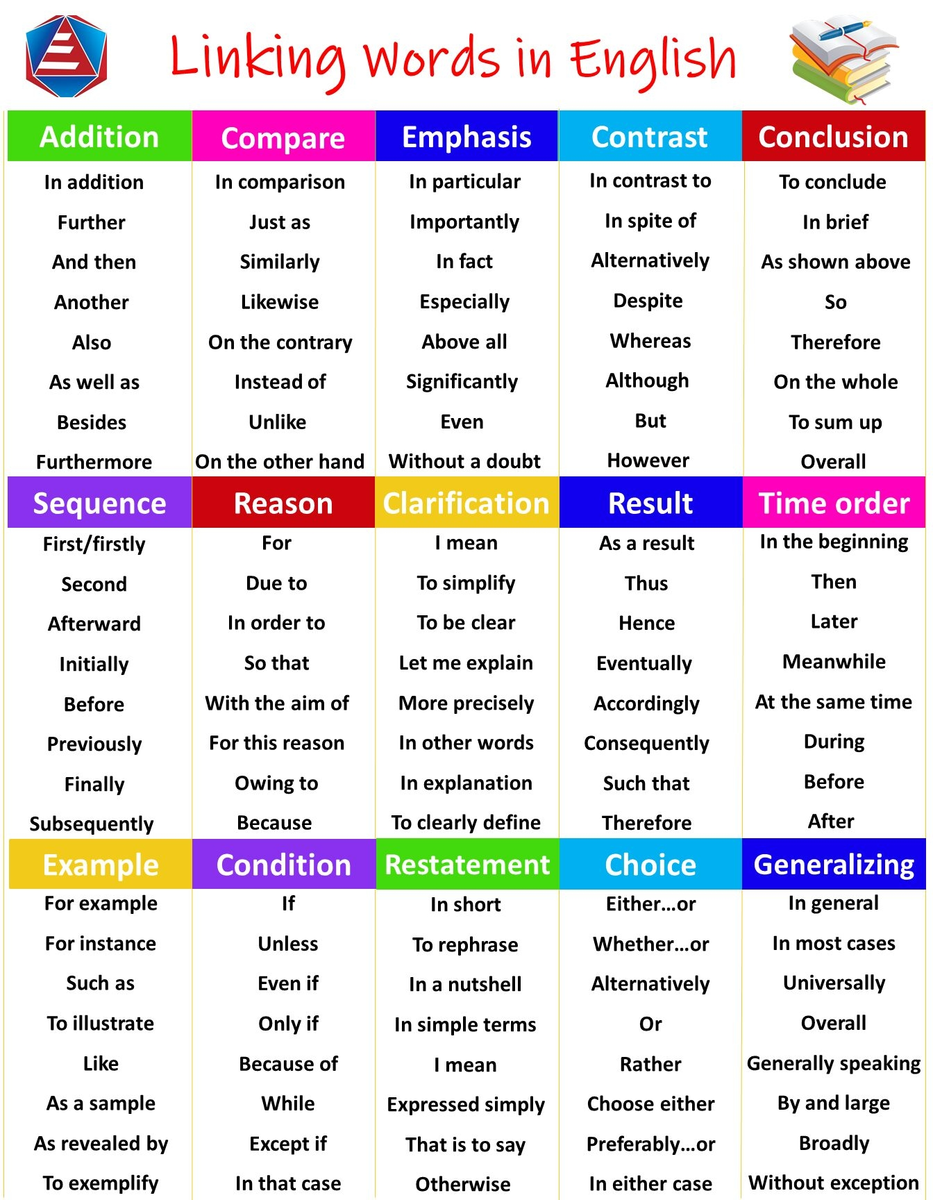
Linking words are the glue that holds your writing together. They help to connect ideas, show relationships between sentences, and add coherence to your text. There are several types of linking words, including additive words (e.g. additionally, moreover), contrastive words (e.g. however, on the other hand), and causal words (e.g. therefore, thus). Understanding the different types of linking words and how to use them effectively is essential to producing well-structured paragraphs. Our ESL worksheet provides a range of exercises to help you practice using linking words in context.
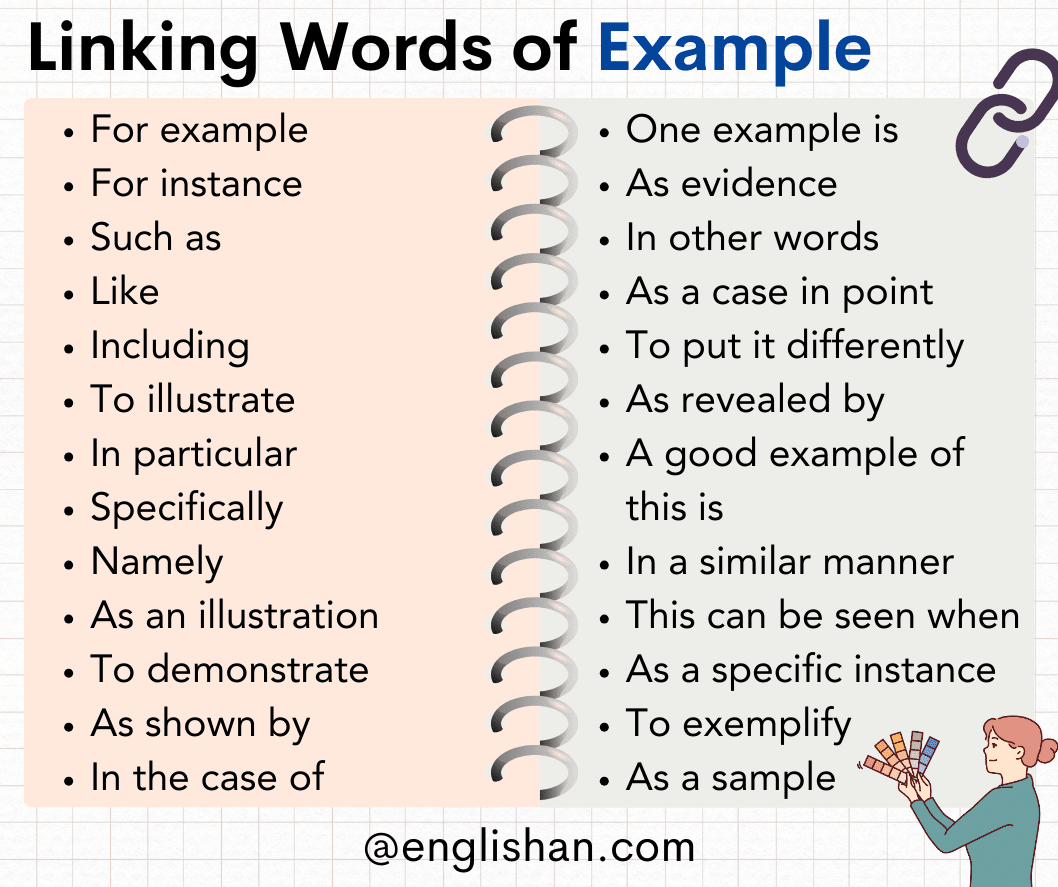
Linking Words In English Definition Rules And Examples
Using Linking Words in Paragraphs
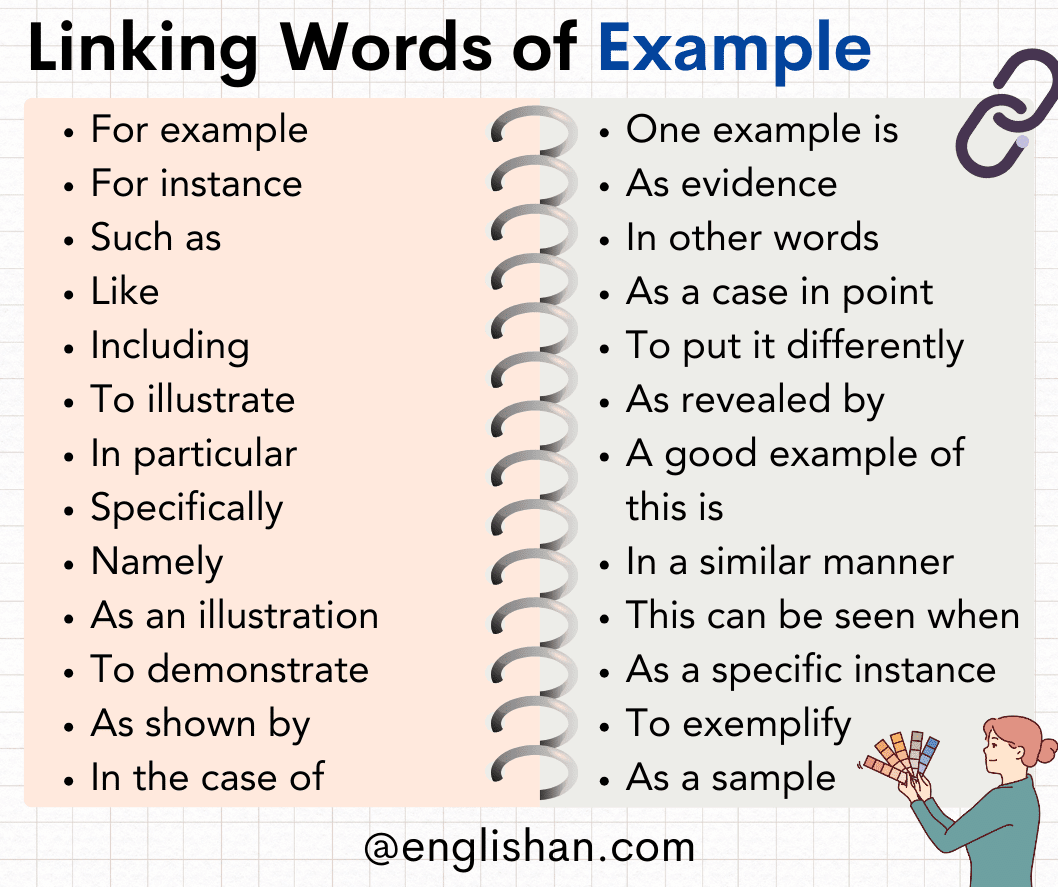
Using linking words in paragraphs is not just about adding a few words here and there. It requires a deep understanding of how to use them effectively to create a cohesive and coherent text. One of the key things to remember is to use linking words sparingly and only when necessary. Overusing linking words can make your writing seem clunky and awkward. Additionally, it’s essential to choose the right linking word for the job. For example, if you’re contrasting two ideas, you would use a contrastive word like ‘however’ or ‘on the other hand’. Our ESL worksheet provides a range of examples and exercises to help you practice using linking words in paragraphs.
Tips for Effective Paragraph Writing
Effective paragraph writing requires a range of skills, including the ability to use linking words, organize ideas, and express yourself clearly. One of the key tips for effective paragraph writing is to start with a clear topic sentence that sets the tone for the rest of the paragraph. From there, you can use linking words to connect your ideas and add emphasis to your writing. It’s also essential to use transitional phrases to link paragraphs together and create a smooth flow of ideas. Our ESL worksheet provides a range of tips and exercises to help you improve your paragraph writing skills and become a more confident writer.
Linking Words In English Definition Rules And Examples
In conclusion, mastering paragraph writing with linking words is a crucial skill for ESL learners. With our comprehensive ESL worksheet, you can practice using linking words in context and improve your writing skills. Remember to use linking words sparingly, choose the right word for the job, and organize your ideas clearly. With practice and patience, you can become a proficient writer and express yourself confidently in English. Download our free ESL worksheet today and start improving your paragraph writing skills!
Linking Words In English Definition Rules And Examples
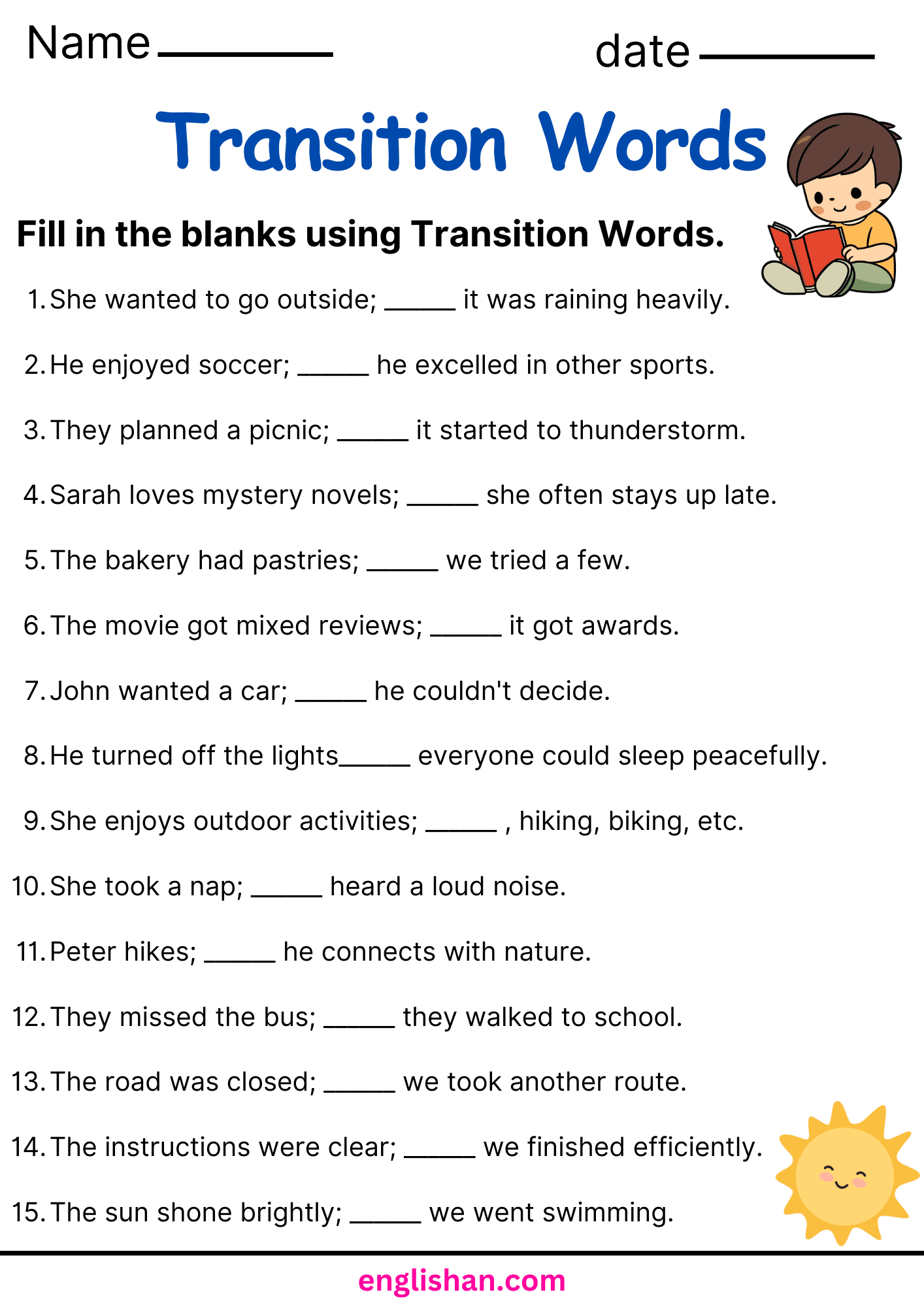
Transition Words Worksheets And Exercises With Answers